Fillet knives
Fillet knives are made for filleting fish and trimming meat. This collection spans the Mo-V, Mo-V Stonewash, Pro-S, Bamboo, Butcher and Reptile series, from a 137 mm small fillet knife to the 252 mm Reptile Swordfish, plus a Mo-V Stonewash boning knife. Most blades are AUS-8 stainless steel at 58–59 HRC; the Reptile uses AUS-10 stainless steel at 59–61 HRC with a convex edge. For traditional fish prep, also see our deba knives.
 Only in November on all knives and setsAll BLACK NOVEMBER knives
Knife guide
The fillet knife, explained
A fillet knife is thin, narrow and flexible. It follows the bones of a fish and slips between flesh and skin, so you waste less and get cleaner fillets. Here is how to choose one and keep it sharp.
All models in stock, compared
| Model | Blade steel | Hardness | Blade | Handle | Price |
|---|---|---|---|---|---|
| Samura Butcher Fillet Knife Fisherman 228 mm | AUS-8 | 58–59 HRC | 228 mm | TPE | €23,99BLACK NOVEMBER: €16,80 |
| Samura Bamboo Fillet Knife Fisherman 224 mm | AUS-8 | 58–59 HRC | 224 mm | Stainless steel | €31,99BLACK NOVEMBER: €22,40 |
| Samura Pro-S Small Fillet Knife 137 mm | AUS-8 | 58–59 HRC | 137 mm | G-10 | €38,99BLACK NOVEMBER: €27,30 |
| Samura Mo-V Stonewash Boning Knife 165 mm | AUS-8 | 58–59 HRC | 165 mm | G-10 | €44,99BLACK NOVEMBER: €31,50 |
| Samura Mo-V Fillet Knife Fisherman 218 mm | AUS-8 | 58–59 HRC | 218 mm | G-10 | €50,99BLACK NOVEMBER: €35,70 |
Knife finder
What do you need a knife for?
Pick the job, and we will show the knives made for it.


Knives for every cook
From your first good knife to a professional kit
Tell us how you cook and we show you the series and knife types you really need.
First good knives
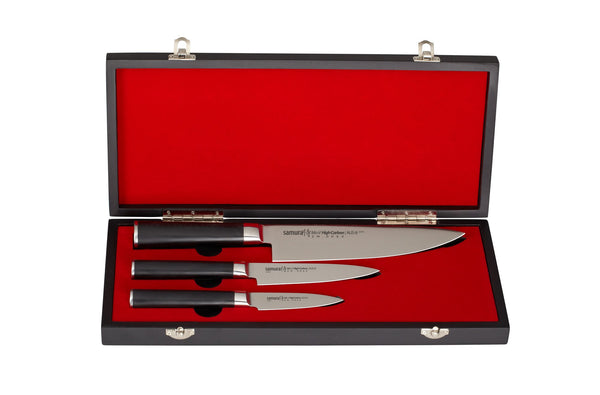
Start with three knives that do almost everything: a chef's knife or santoku, a paring knife and a bread knife. AUS-8 steel at 58–59 HRC is sharp, robust and easy to look after.
What you need



Home enthusiast
Add specialists for vegetables, slicing and the table, and choose series with G-10, pakka wood or rosewood handles and hammered or stonewashed blades.
What you need


Recommended series


Professional chef
VG-10, AUS-10 and multilayer Damascus steels, hardened to 59–61 HRC, take a finer edge. Complete your kit with Japanese specialists and finish the edge on fine whetstones.
What you need
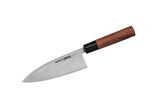

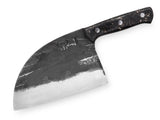
Recommended series
-
 Damascus
 · 60–61 HRCFrom €50,99€35,70 with BLACK NOVEMBER
-
 Damascus 67
Damascus · 60–61 HRCFrom €52,99€37,10 with BLACK NOVEMBER
-
 Meteora
VG-10 Damascus · 59–61 HRCFrom €81,99€57,40 with BLACK NOVEMBER
-
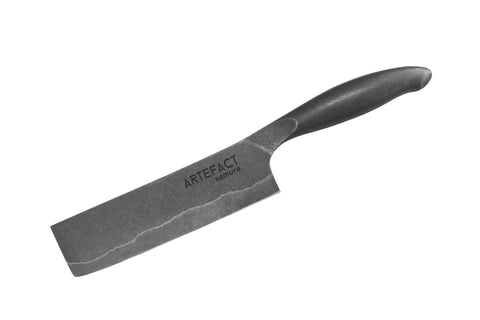 Artefact
AUS-10 Damascus · 59–61 HRCFrom €83,99€58,80 with BLACK NOVEMBER
-
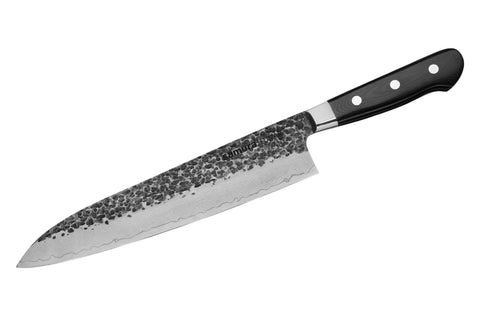 Pro-S Lunar
VG-10 Damascus · 60–61 HRCFrom €59,99€42,00 with BLACK NOVEMBER
-
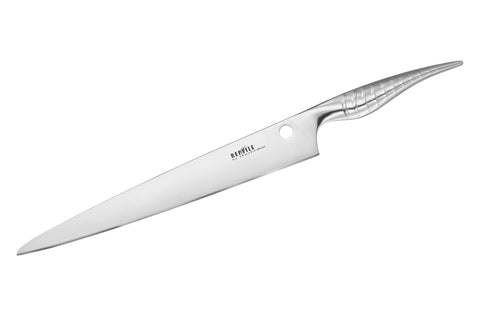 Reptile
AUS-10 · 59–61 HRCFrom €90,99€63,70 with BLACK NOVEMBER


How to choose
Four steps to the right knife
-
Start with what you cook most
Meat: a chef's knife or slicing knife. Vegetables: a santoku or nakiri. Fish: a fillet knife or yanagiba. Bread: a serrated bread knife.
-
Choose the length
About 200 mm or more for large produce and roasts, 150–180 mm for most home kitchens, under 130 mm for peeling and small work.
-
Choose the steel
Compare the steelsAUS-8 is hard-wearing and easy to sharpen. AUS-10, VG-10 and Damascus are harder, 59–61 HRC, and can take a finer edge.
-
Plan the care
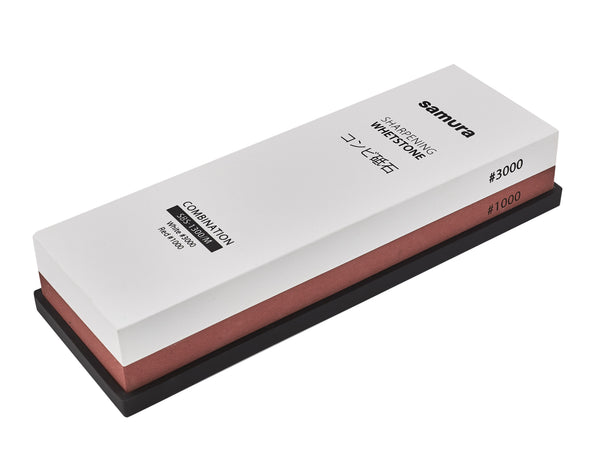
Sharpening toolsA whetstone and a wooden or plastic board keep any edge sharp for years. Each product page shows a care kit matched to its steel.
Why choose SAMURA
Four reasons to choose SAMURA
-
Ultra-sharp from the first cut
Steel guideJapanese-grade AUS-8, AUS-10, VG-10 and Damascus steels, hardened to 58–61 HRC and sharpened to a razor-sharp, precise edge.
-
Premium quality, fair price
All seriesThe steel, finish and design of high-end Japanese-style knives without the luxury mark-up: a premium knife you can use every day.
-
Packaged to be given
Premium SAMURA packaging makes every knife and set a ready-made gift for anyone who loves to cook.
-
Build your own collection
Every series offers matching knives for every task. Complete one series or combine your favourites across collections.
Keep exploring
Related categories



Questions
Before you choose
Did not find the answer? Write to us and we will help you choose.
Contact usWhat length of fillet knife should I buy?
Pick by the fish you cook most. Short blades handle trout, mackerel and sea bream. Longer blades suit salmon and large fish. SAMURA fillet knives run from 137 to 252 mm.
Should a fillet knife be flexible?
Some flex helps the edge follow bones and skin. Too much flex makes control harder. A moderately flexible blade is a good place to start.
Can I use a fillet knife for meat?
Yes. It is useful for trimming fat and silver skin, and for boning poultry. Most SAMURA fillet knives are listed for both meat and fish.
Fillet knife or deba?
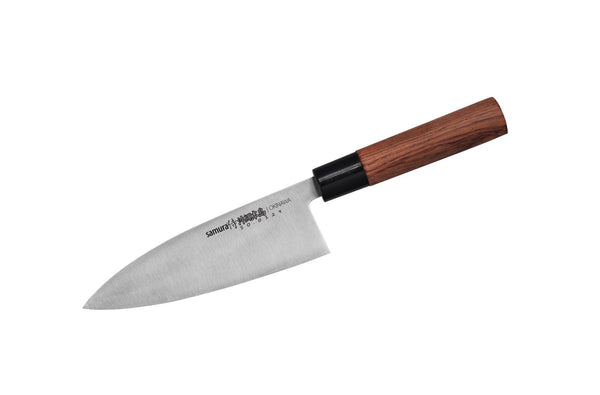
A fillet knife is thin and flexible for clean fillets. A deba is heavy and stiff, so it can cut through heads and small bones.
How do I keep a fillet knife sharp?
Hone it often, sharpen on a whetstone when it starts to drag, and wash and dry it by hand after every use.
What guarantee do SAMURA knives have?
Every product comes with the 2-year legal guarantee.
Can I return a knife?
Yes. You can return an order within 14 days – see the return policy for the conditions.
How should I care for my knife?
Wash by hand and dry straight away. Each product page lists the care instructions for that knife.