Deba knives
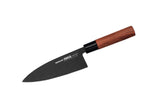
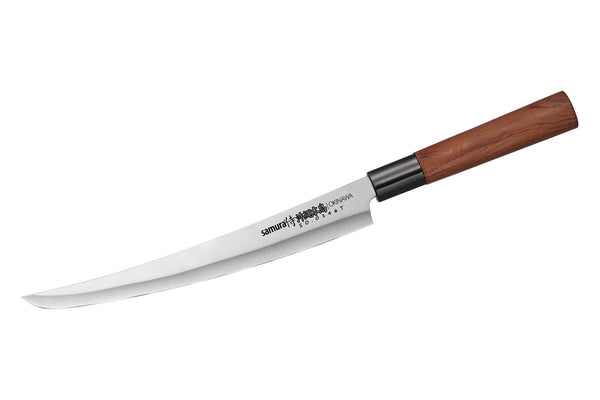
The deba is a Japanese-style knife for preparing fish, and it also handles vegetables. Here you will find the 170 mm deba from the Okinawa series and its stonewash version from Okinawa Stonewash. Both have a single-bevel AUS-8 stainless steel blade at 58–59 HRC and a rosewood handle, in a classic Japanese blade shape for cooks who regularly prepare fish. For slicing fish, pair it with a yanagiba knife.
Knife guide
The deba knife, explained
The deba is a thick, sturdy Japanese-style knife for preparing whole fish. It removes heads, cuts through small bones and separates fillets. It also handles vegetables. Here is what to know before you choose one.
Knife finder
What do you need a knife for?
Pick the job, and we will show the knives made for it.

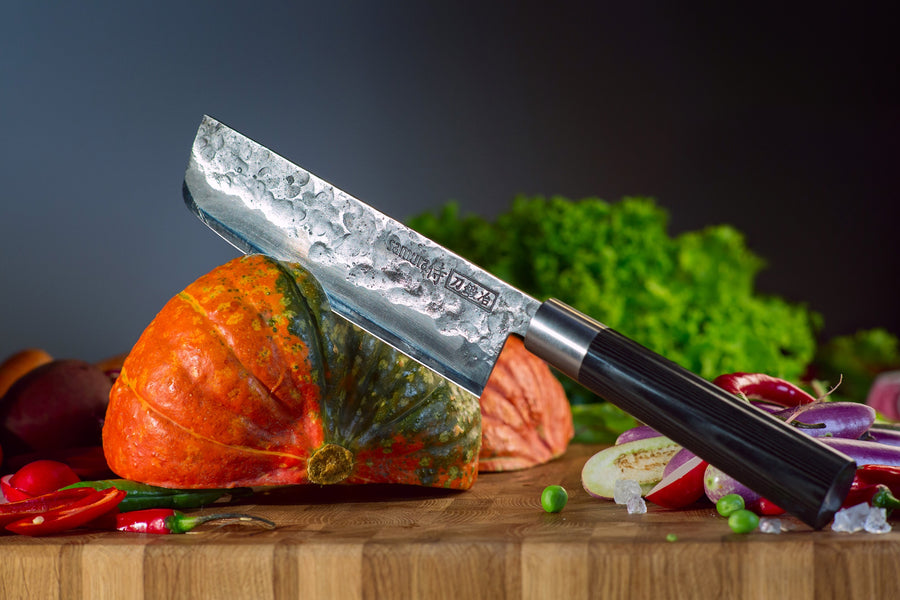
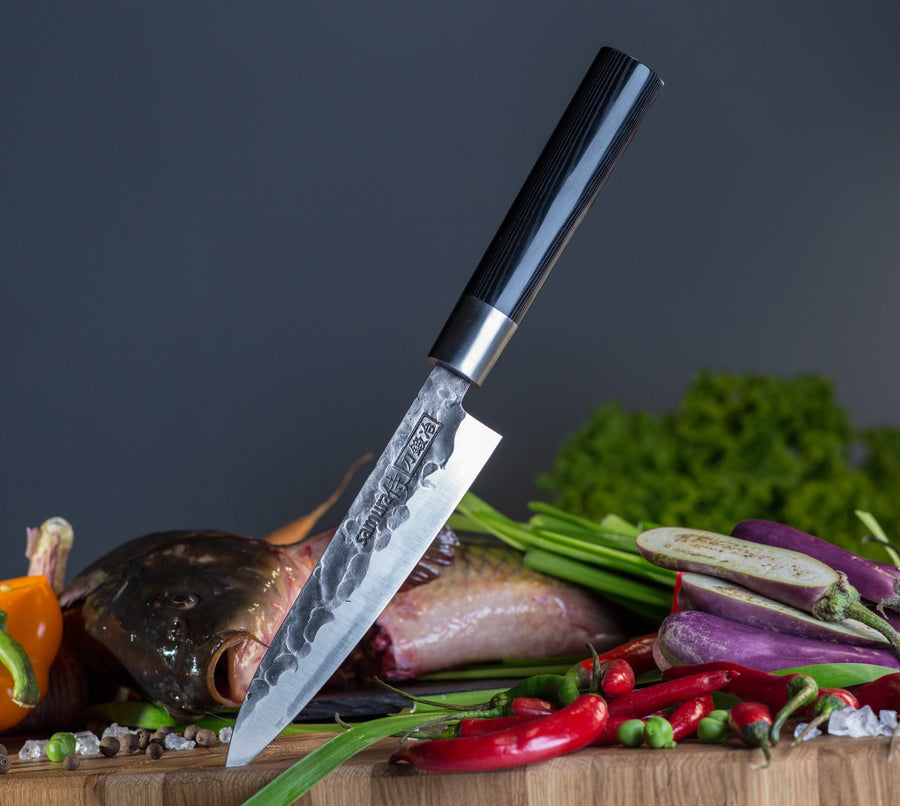

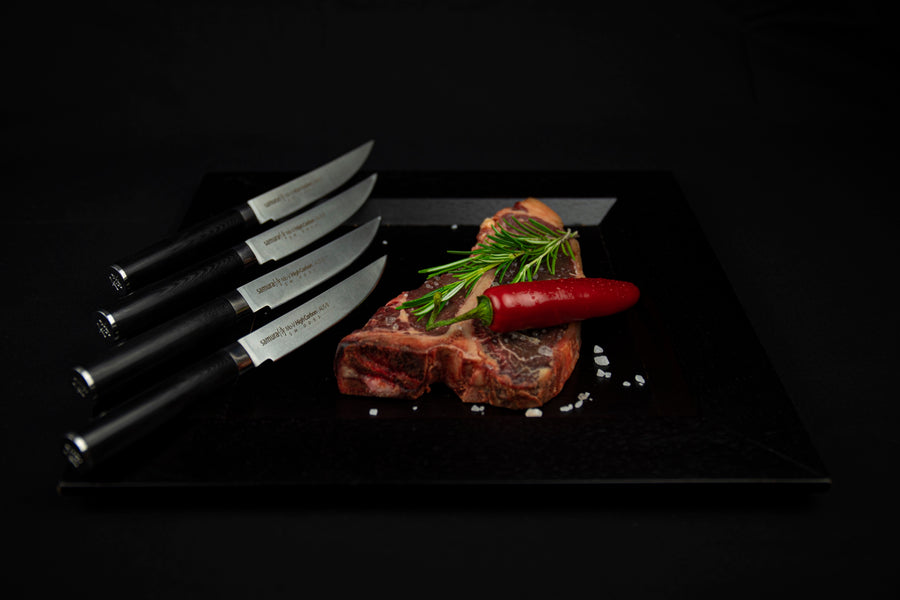
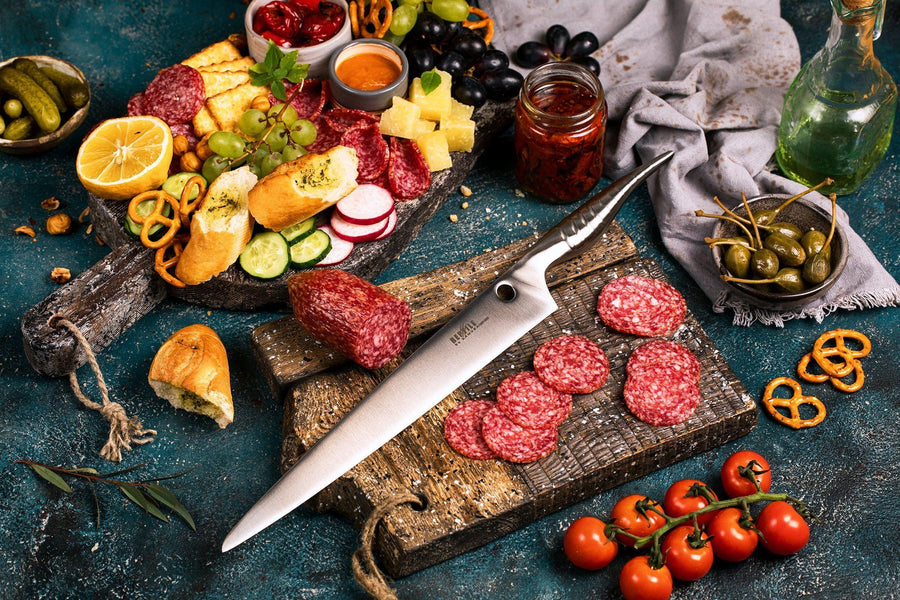
Knives for every cook
From your first good knife to a professional kit
Tell us how you cook and we show you the series and knife types you really need.
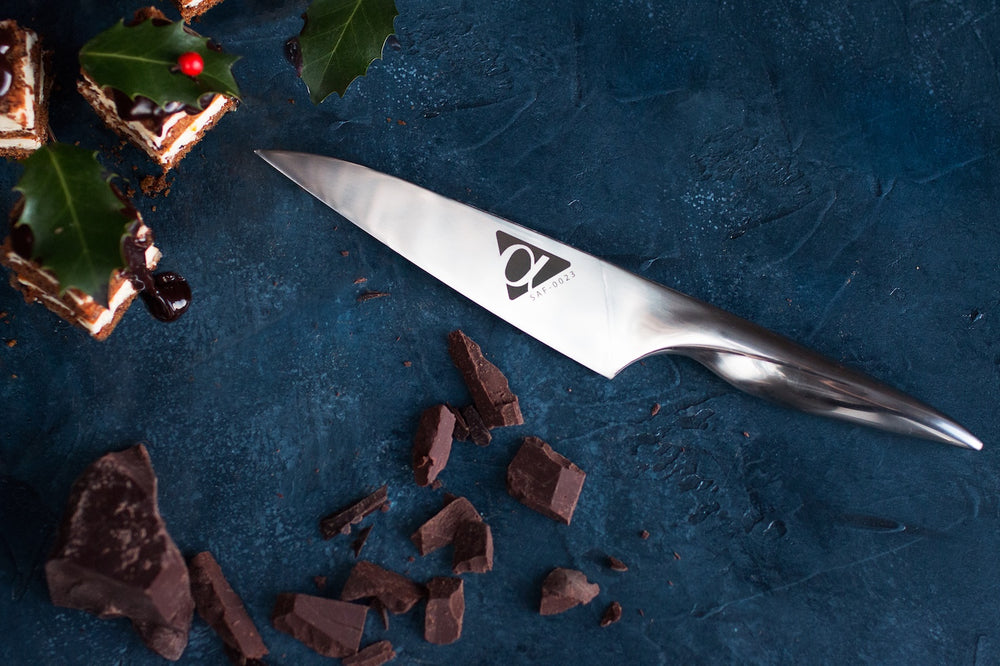
First good knives
Start with three knives that do almost everything: a chef's knife or santoku, a paring knife and a bread knife. AUS-8 steel at 58–59 HRC is sharp, robust and easy to look after.
What you need

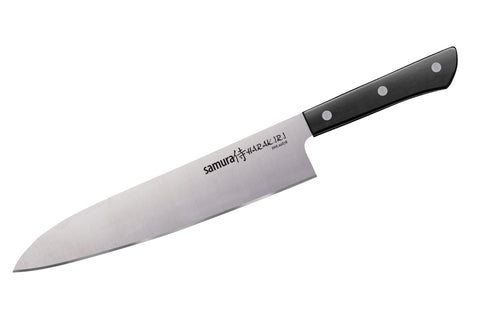
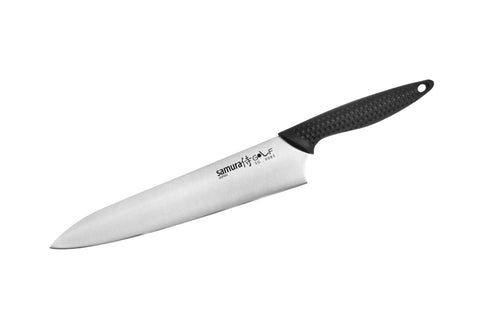

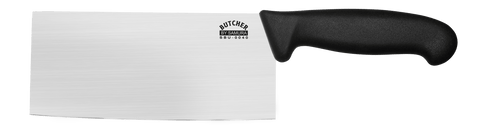

Home enthusiast
Add specialists for vegetables, slicing and the table, and choose series with G-10, pakka wood or rosewood handles and hammered or stonewashed blades.
What you need


Recommended series
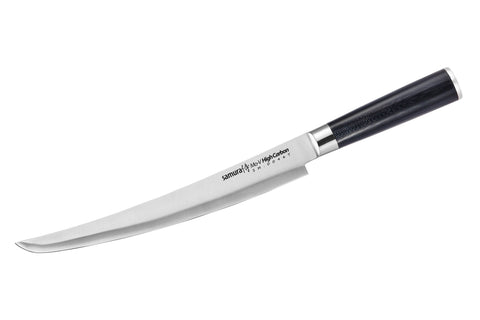

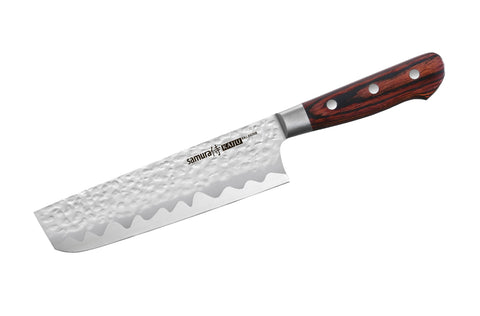


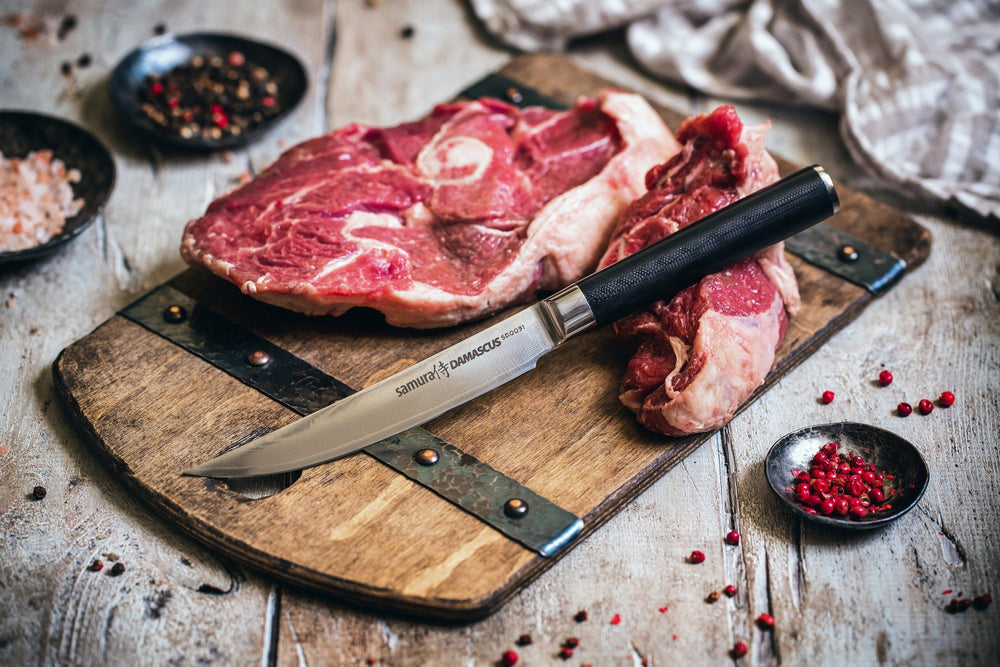
Professional chef
VG-10, AUS-10 and multilayer Damascus steels, hardened to 59–61 HRC, take a finer edge. Complete your kit with Japanese specialists and finish the edge on fine whetstones.
What you need

Recommended series
-
 Damascus
 · 60–61 HRCFrom €50,99€35,70 with BLACK NOVEMBER
-
 Damascus 67
Damascus · 60–61 HRCFrom €52,99€37,10 with BLACK NOVEMBER
-
 Meteora
VG-10 Damascus · 59–61 HRCFrom €81,99€57,40 with BLACK NOVEMBER
-
 Artefact
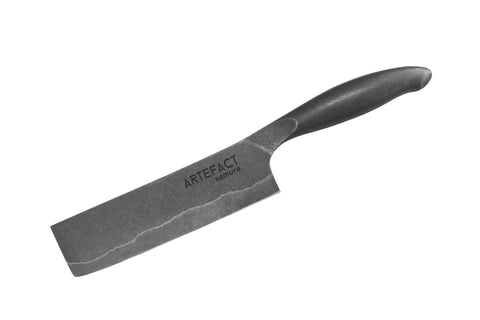
AUS-10 Damascus · 59–61 HRCFrom €83,99€58,80 with BLACK NOVEMBER
-
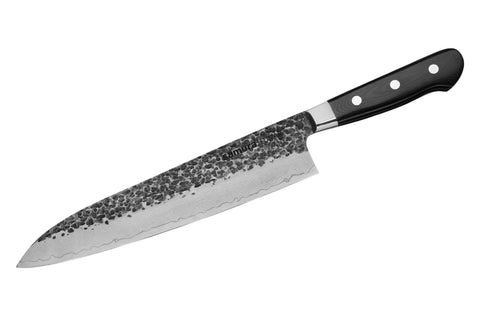 Pro-S Lunar
VG-10 Damascus · 60–61 HRCFrom €59,99€42,00 with BLACK NOVEMBER
-
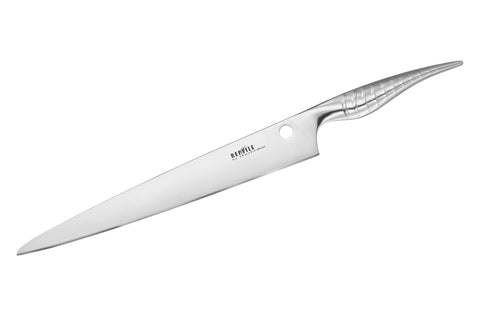 Reptile
AUS-10 · 59–61 HRCFrom €90,99€63,70 with BLACK NOVEMBER


How to choose
Four steps to the right knife
-
Start with what you cook most
Meat: a chef's knife or slicing knife. Vegetables: a santoku or nakiri. Fish: a fillet knife or yanagiba. Bread: a serrated bread knife.
-
Choose the length
About 200 mm or more for large produce and roasts, 150–180 mm for most home kitchens, under 130 mm for peeling and small work.
-
Choose the steel
Compare the steelsAUS-8 is hard-wearing and easy to sharpen. AUS-10, VG-10 and Damascus are harder, 59–61 HRC, and can take a finer edge.
-
Plan the care
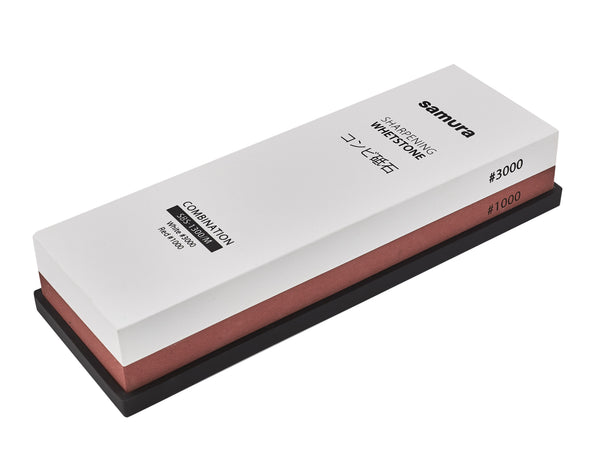
Sharpening toolsA whetstone and a wooden or plastic board keep any edge sharp for years. Each product page shows a care kit matched to its steel.
Why choose SAMURA
Four reasons to choose SAMURA
-
Ultra-sharp from the first cut
Steel guideJapanese-grade AUS-8, AUS-10, VG-10 and Damascus steels, hardened to 58–61 HRC and sharpened to a razor-sharp, precise edge.
-
Premium quality, fair price
All seriesThe steel, finish and design of high-end Japanese-style knives without the luxury mark-up: a premium knife you can use every day.
-
Packaged to be given
Premium SAMURA packaging makes every knife and set a ready-made gift for anyone who loves to cook.
-
Build your own collection
Every series offers matching knives for every task. Complete one series or combine your favourites across collections.


Questions
Before you choose
Did not find the answer? Write to us and we will help you choose.
Contact usWhat is a deba knife for?
Preparing whole fish: removing heads, separating fillets and cutting small bones. It also chops vegetables.
Can a deba cut through bones?
It handles the heads and fine bones of fish. It is not a cleaver, so keep it away from large meat bones and frozen food.
Do I need a deba and a yanagiba?
If you prepare and slice fish often, the pair works well. Use the deba to break the fish down and the yanagiba to slice it.
Is the deba single-bevel?
Yes. The SAMURA deba has a single-bevel edge, which gives clean, controlled cuts along bone. It is sharpened mainly on the bevel side, with light strokes on the back to remove the burr.
Which deba sizes are available?
The SAMURA deba is 170 mm, in the Okinawa and Okinawa Stonewash series.
What guarantee do SAMURA knives have?
Every product comes with the 2-year legal guarantee.
Can I return a knife?
Yes. You can return an order within 14 days – see the return policy for the conditions.
How should I care for my knife?
Wash by hand and dry straight away. Each product page lists the care instructions for that knife.