

A chef knife set should earn its space every time dinner gets serious. It should move from crushing garlic to breaking down chicken, slicing tomatoes, carving a roast, and cutting a crusty loaf without leaving you to fight the food. The right set is not the one with the most pieces. It is the one with blades you will reach for, steel that holds an edge, and a setup you can maintain.
For a first serious kitchen upgrade, that usually means choosing performance over clutter. A clean, hard-working set gives you control, speed, and confidence at the cutting board. A drawer full of weak, duplicate blades does none of those things.
What a Chef Knife Set Should Actually Include
A useful set starts with the core knives that handle the majority of prep. For most home kitchens, the chef knife is the main workhorse. Its broad blade and curved edge can chop vegetables, mince herbs, slice boneless meat, and handle the fast, repetitive work that makes cooking feel efficient.
A smaller utility or paring knife covers precision jobs where a large blade feels clumsy: peeling apples, trimming shallots, removing strawberry tops, or working around fat and sinew. Add a serrated bread knife for loaves, cakes, tomatoes, and any food with a firm exterior and soft center. These three knives cover a remarkable amount of ground.
The fourth piece depends on how you cook. A santoku is a powerful choice for cooks who prefer straight, controlled vegetable cuts and a compact Japanese-inspired profile. A carving or slicing knife makes sense if you grill, roast, or serve larger cuts of meat. A boning or fillet knife is worth having for frequent fish prep, poultry, and detailed meat work. A cleaver belongs in the kitchen of someone who genuinely needs its weight and blade geometry, not someone buying it only for the look.
More pieces can be useful, but only when each blade has a clear job. Steak knives make a set more complete for entertaining. Kitchen shears are practical for herbs, packaging, and poultry. A honing rod or sharpening stone is not an accessory to ignore - it is part of owning sharp knives.
Match the Chef Knife Set to Your Cooking Style
The best knife set for a weekend baker will not be the same as the best set for a home cook working through piles of vegetables or a griller carving brisket. Start with your real routine, not an imagined professional kitchen.
If weeknight meals are your priority, choose a focused set built around a chef knife, utility knife, paring knife, and bread knife. This is the practical foundation. Look for stainless steel that is easy to live with, handles that stay secure when wet, and blade shapes that feel balanced in your hand.
If you cook a lot of Asian-inspired dishes, a chef knife plus santoku combination can make sense. The chef knife handles broad, powerful prep while the santoku offers a flatter cutting path for neat vegetable work. For sashimi, fish butchery, or precise Japanese techniques, specialty blades such as yanagiba and deba have a place, but they should be deliberate additions. Their geometry is purpose-built, and they are not substitutes for an everyday chef knife.
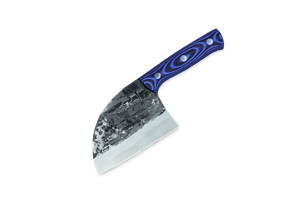
For grillers and meat-focused cooks, add a slicing knife or carving knife before you add another general-purpose blade. Long, narrow blades make cleaner passes through a roast, tri-tip, or smoked brisket. A strong boning knife helps separate meat from bone with less waste. If your work includes heavy cuts and dense produce, a Serbian-style or hand-forged cleaver can bring serious cutting power, provided you understand its weight and use it with control.
Gift buyers should think the same way. An impressive set should look sharp, but it should also remove friction from everyday cooking. A compact, well-made set with a clear purpose is often a better gift than an oversized block filled with rarely used knives.
Steel Is Where Cutting Performance Starts
The steel determines much of what you feel at the board: edge retention, sharpening response, corrosion resistance, toughness, and the amount of care required. No single steel wins every category. The right choice depends on whether you want low-maintenance reliability, high-end edge performance, or a more hands-on relationship with your tools.
Stainless steel is the true workhorse for many kitchens. It handles regular use, is less prone to staining and corrosion, and suits cooks who want sharp, dependable knives without a strict maintenance ritual. A well-made stainless blade can still deliver excellent cutting performance, especially when it is properly heat-treated and sharpened.
Damascus construction brings visual depth and a craft-driven identity to a knife set. The layered pattern has undeniable presence, but the performance question goes deeper than appearance. Look at the core steel, blade construction, edge geometry, and overall fit and finish. A Damascus knife should feel like a serious cutting tool, not a decorative object that stays in the block.
Carbon steel has a different character. It can take an extremely keen edge and develops a natural patina over time, but it demands attention. Wash it by hand, dry it immediately, and never leave it wet in the sink. For cooks who enjoy maintaining their equipment, carbon steel can be deeply satisfying. For a busy household where knives may be left damp after dinner, stainless is usually the smarter call.
Ceramic blades are another specialized option. They are light, stay sharp for a long time in soft-food work, and resist corrosion. Their trade-off is brittleness. Ceramic is not for bones, frozen food, twisting cuts, or rough treatment. It works best as a dedicated fruit and vegetable knife alongside steel workhorses.
Do Not Confuse Sharpness With Edge Retention
A factory-sharp knife feels great on day one. The more meaningful question is how long it stays sharp, how easily it can be restored, and whether the blade can handle the food you prepare. A thin edge can glide through onions and herbs beautifully, yet it may be more vulnerable to chipping if used carelessly against hard bones or glass cutting boards.
Choose the edge for the job, then protect it. Use wood or quality composite cutting boards. Avoid dishwashers, where heat, detergent, and blade contact can punish both steel and handles. Store knives so their edges do not collide in a drawer.
Handle, Balance, and Blade Shape Matter More Than You Think
A knife can have premium steel and still feel wrong in your hand. The handle should give you a stable grip without forcing your wrist into an awkward position. Some cooks prefer the warmth and natural texture of wood handles. Others want the easy-clean practicality of modern synthetic materials. Neither is automatically better. The right one is the one you can hold securely for a full prep session.
Balance matters too. A blade-forward knife can feel powerful when chopping. A more neutral balance can feel nimble for detailed work. If possible, think about the grip you use. Cooks who pinch-grip near the blade often appreciate a chef knife with enough clearance and a comfortable transition from bolster to handle. Those who grip farther back may prefer a handle with a more substantial profile.
Blade length should fit your board and your confidence. An 8-inch chef knife is the all-around standard for good reason. It is long enough for melons, cabbage, and family-size prep, yet manageable for most home cooks. A 6-inch chef knife can be more approachable in a smaller kitchen. A 10-inch blade offers reach and authority, but it needs board space and solid technique.
Build Maintenance Into the Purchase
A chef knife set without a maintenance plan eventually becomes an expensive collection of dull metal. Honing and sharpening are different jobs. Honing realigns the fine edge that bends slightly through normal use. Sharpening removes a small amount of material to create a new edge.
For regular home cooking, a honing rod can help keep knives feeling responsive between sharpenings. A whetstone gives the most control and can produce an exceptionally refined edge, but it takes patience and practice. Pull-through sharpeners are quick and convenient, though some remove more metal than necessary or offer limited control over the final edge. Choose the method you will actually use correctly.
Storage belongs in the same conversation. A magnetic holder keeps blades visible, dry, and protected when installed properly. A knife block is familiar and convenient, but it should be clean and sized for the knives it holds. Blade guards are a strong option for drawer storage or transport. What matters is preventing edge damage and keeping sharp tools safely away from searching hands.
SAMURA sets are built around this practical idea: distinctive blades, purpose-driven profiles, and the maintenance tools that keep cutting performance alive long after the first meal.
Buy Fewer Blades, Use Them Harder
A serious kitchen does not need a dozen knives to make excellent food. It needs a few capable blades that match the way you cook, stay sharp, and feel right in your hand. Start with the workhorse, add specialized tools only when your habits justify them, and give every blade proper care. The result is not just a better-looking counter. It is faster prep, cleaner cuts, and equipment that is ready when the real cooking starts.


Leave a comment