

A home kitchen is no longer built around one all-purpose knife, a plastic board, and a rushed dinner routine. The strongest food preparation trends are making cooks more deliberate: buying better ingredients, using blades matched to the task, and treating prep as the part of cooking where flavor, texture, and presentation are won.
That shift is practical, not precious. A sharp chef knife makes fast work of onions. A slicer protects the crust on a roast. A santoku turns a pile of vegetables into clean, even cuts instead of bruised fragments. Better prep is not about filling a drawer with gear. It is about choosing tools that give you control when the board gets busy.
Food Preparation Trends Start With Better Control
The biggest change in home cooking is a move away from convenience-first prep toward skill-first prep. People are still busy, but they want meals that feel made rather than assembled. That means more whole vegetables, whole cuts of meat, fresh herbs, fish fillets, and bread worth slicing properly.
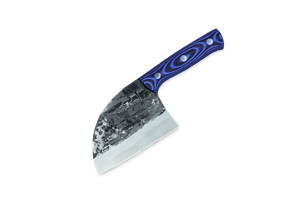
Control starts with blade geometry. A thin, sharp Japanese-inspired santoku is built for fast vegetable work and clean downward cuts. A heavier cleaver brings authority to squash, ribs, and dense produce. A flexible fillet knife follows bones and skin with less waste. These are not interchangeable jobs, and one dull utility knife cannot perform all of them well.
This trend also changes how cooks think about speed. The fastest prep is not frantic chopping. It is consistent cutting with a knife that tracks straight, stays sharp, and feels balanced in the hand. When dice are even, vegetables cook at the same rate. When protein is sliced cleanly, it sears instead of shedding juice across the board. Precision creates speed later in the pan.
Global Cooking Has Made Specialty Blades Relevant
Home cooks are building menus that once belonged mainly to restaurant kitchens. Sushi nights, hand-rolled dumplings, Korean barbecue, Roman-style pizza, ceviche, shawarma, and slow-smoked brisket all ask different things of a blade.
A yanagiba-style knife earns its place when slicing raw fish in a single, confident pull. A deba-style blade has the weight and strength for fish breakdown. A long slicing knife is the right answer for smoked brisket or a holiday roast, while a serrated bread knife prevents a fresh loaf from being crushed before it reaches the table.
The trade-off is simple: specialty knives demand space, care, and an honest assessment of what you cook. If you make sushi twice a year, a solid chef knife and a sharp slicer may be smarter purchases than a dedicated fish blade. If seafood is a weekly ritual, the right specialized knife stops feeling like an extra and starts feeling like a true workhorse.
Global cooking has also brought more respect for cutting technique. A push cut, pull slice, rocking chop, and controlled cleaver strike are different movements. Matching the movement to the blade protects the food and reduces strain on your wrist. The result is cleaner prep with less force.
More Plant-Forward Meals Demand Sharper Knives
Vegetables are no longer a side note. They are the center of grain bowls, charcoal-grilled dinners, bright salads, soups, and meatless weekday meals. That has made knife sharpness a daily issue rather than an occasional maintenance concern.
Tomatoes, herbs, citrus, mushrooms, eggplant, and delicate greens expose a dull edge immediately. Instead of cutting, the blade tears. Instead of neat slices, you get crushed cells, wet boards, and ragged presentation. An ultra-sharp edge separates cleanly through the ingredient, preserving texture and making even simple food look more intentional.
There is a second benefit: less waste. A sharp peeler removes less flesh from carrots and potatoes. A narrow petty knife gives better control around stems, cores, and small fruit. A properly sharpened chef knife can cut close to the skin of a pineapple or melon without turning usable food into scraps.
Plant-forward prep does not mean every cook needs a dozen knives. For most kitchens, a chef knife or santoku, a compact utility or petty knife, and a serrated knife cover the daily essentials. Add a cleaver if you regularly tackle hard vegetables, large cabbage, or serious batch cooking.
Batch Prep Is Getting More Strategic
Sunday meal prep has evolved. Instead of eating five identical containers of chicken and rice, cooks are preparing flexible building blocks: roasted vegetables, washed greens, cooked grains, sauces, marinated proteins, and sliced toppings that can become different meals across the week.
This method rewards organization at the cutting board. Start with ready-to-eat produce, then move to vegetables that will be cooked, and keep raw meat and fish for last. Use separate boards when possible, wash tools between tasks, and keep a clean towel nearby. These habits are not glamorous, but they prevent cross-contamination and keep high-volume prep under control.
Knife selection matters here because large batches punish poor tools. Chopping several onions with a weak edge is slow and miserable. Slicing multiple chicken breasts with a thick, blunt blade creates torn surfaces and uneven portions. A reliable stainless workhorse knife can be the practical answer for everyday volume, while carbon steel appeals to cooks who enjoy maintenance and want an exceptionally responsive edge.
Carbon steel brings character and serious cutting performance, but it is not careless equipment. It must be dried promptly and maintained to avoid rust. Stainless steel is more forgiving for a crowded family kitchen. Damascus construction offers visual impact and layered craftsmanship, but the real decision should still come down to edge quality, balance, steel performance, and how the knife feels during actual prep.
Low-Waste Cooking Changes the Way We Cut
Waste-conscious cooking is moving beyond compost bins. It now begins with how ingredients are broken down. Broccoli stems become slaw. Herb stems flavor sauces. Chicken bones become stock. Citrus peels become syrups, seasoning, or garnish. A cook who can break down food confidently sees more options before the scraps hit the bin.
This is where a tough, purposeful blade earns respect. A heavier knife can split through joints and dense stems when used correctly. A boning knife can pull usable meat from a chicken carcass. A flexible fish knife helps separate fillets from bones with less loss. The goal is not aggressive cutting for its own sake. It is using enough power, and no more than the task requires.
Cutting boards are part of the equation. End-grain wood and quality softer wood boards are kinder to fine edges than glass, marble, or ceramic surfaces. Hard boards may look clean and modern, but they can flatten an edge quickly. If sharpness is performance, the board is the surface that protects it.
Knife Maintenance Has Become Part of Cooking
A premium blade should not spend its life dull in a drawer. One of the most useful food preparation trends is the normalization of knife care: honing regularly, sharpening when the edge actually loses bite, storing blades safely, and learning the difference between those jobs.
A honing rod realigns a slightly rolled edge. It does not remove enough metal to create a truly new edge. A whetstone or quality sharpener restores sharpness, but the method should suit the knife and the user. Whetstones offer control and excellent results with practice. Guided sharpeners can be more approachable for cooks who want consistency without developing a full sharpening routine.
Storage matters as much as sharpening. Loose knives damage edges, dull faster, and create a hand hazard. A magnetic holder, knife block, blade guard, or dedicated drawer insert keeps tools protected and ready. SAMURA builds this complete ownership mindset into the kitchen: the blade, the board, the sharpener, and the storage all affect performance.
Build a Prep Setup That Matches Your Cooking
Trend-chasing is useless if the tools do not fit your habits. A cook focused on weeknight vegetables may get more value from a sharp santoku and a small utility knife than from a dramatic cleaver. A griller who handles large cuts of meat needs a strong chef knife, boning knife, and slicer. A bread baker should not compromise with a dull serrated blade.
Start with the ingredients you cut most often. Then look at where your current setup fights you: crushed tomatoes, uneven onion dice, shredded chicken skin, torn bread, slippery fish, or a blade that needs force. That friction points directly to the next tool or skill worth adding.
The strongest kitchen trend is not a viral recipe or a flashy finish. It is a cook who can take good ingredients, put a sharp edge to work, and make every cut count.


Leave a comment